Customizing your cabinets allows you to tailor them to your specific needs and preferences, creating a unique and personalized kitchen space. Here’s a step-by-step guide to help you customize your cabinets:
- Assessment:
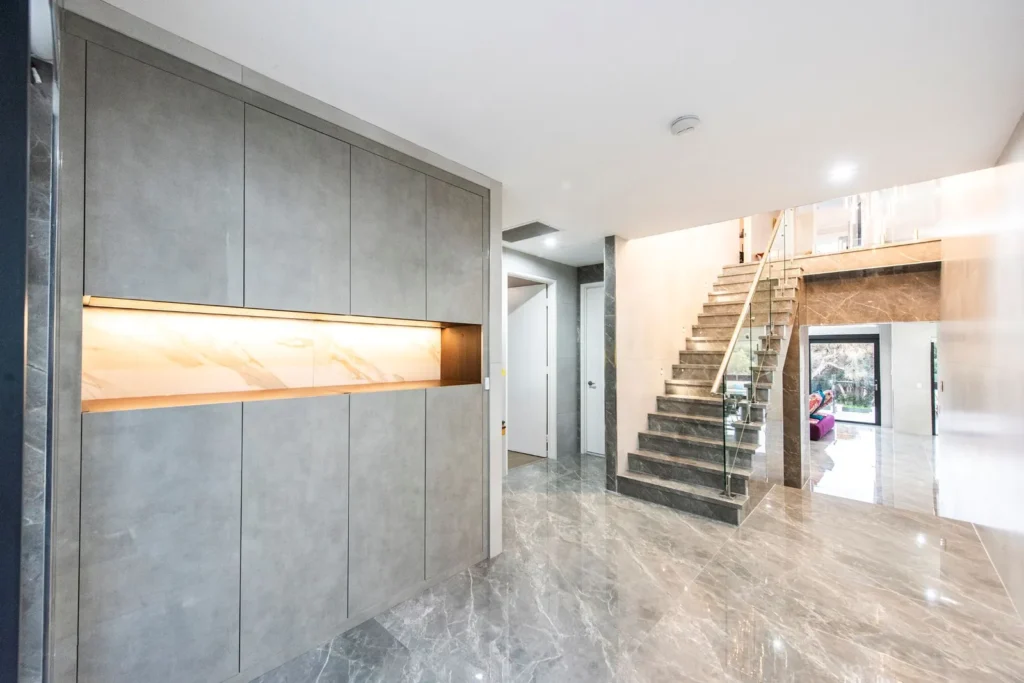
- Evaluate your current cabinets and assess your storage requirements, workflow, and aesthetic preferences.
- Set a Budget:
- Determine how much you’re willing to spend on cabinet customization. This will help you prioritize options and materials.
- Design Concept:
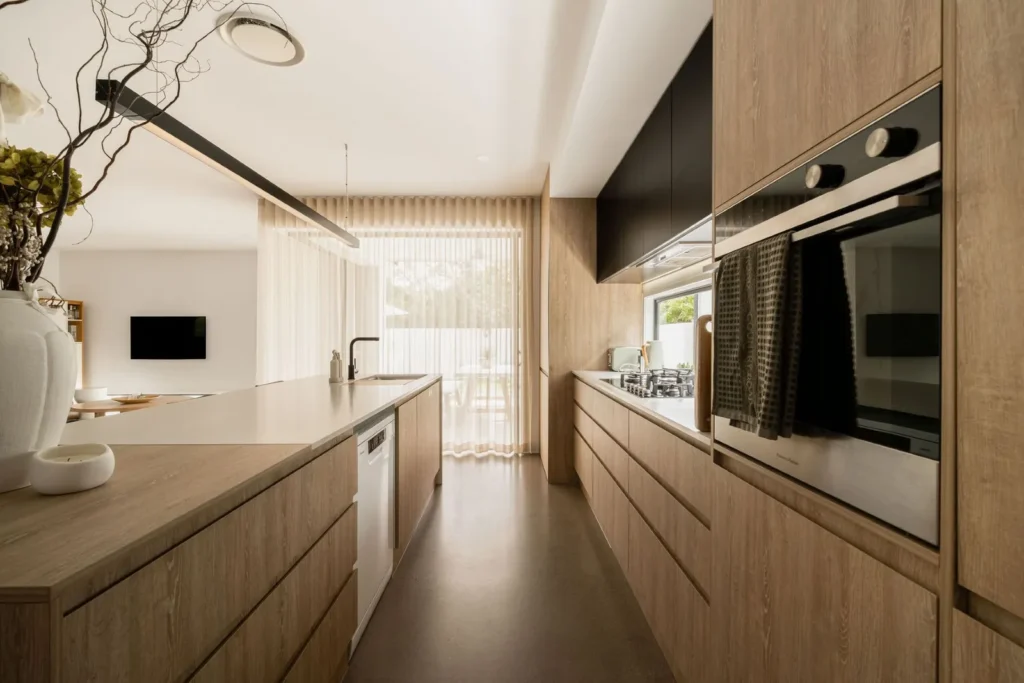
- Develop a design concept that reflects your style preferences and meets your functional needs. Consider factors such as cabinet style, color, material, and hardware.
- Custom Cabinet Features:
- Identify custom features that will enhance the functionality and organization of your cabinets. This could include pull-out shelves, drawer dividers, spice racks, tray dividers, or built-in charging stations.
- Material Selection:
- Choose high-quality materials for your custom cabinets based on durability, aesthetics, and budget. Options include solid wood, plywood, MDF (medium-density fiberboard), or laminate.
- Custom Cabinet Doors:
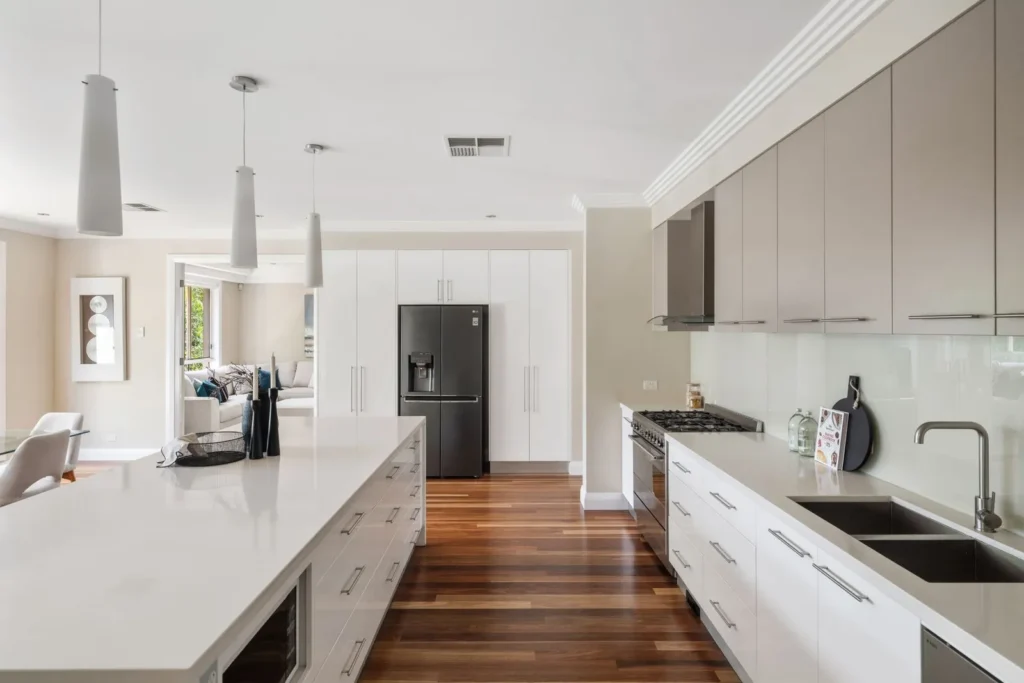
- Select custom door styles that complement your kitchen design and reflect your personal taste. Choose from options such as raised panel, flat panel, shaker, or slab doors.
- Consider adding decorative elements such as glass inserts, mullion patterns, or custom molding to enhance the visual appeal of your cabinets.
- Hardware Selection:
- Choose hardware that complements the style and finish of your custom cabinets. Select knobs, handles, or pulls in finishes such as brushed nickel, chrome, brass, or matte black.
- Custom Finishes:
- Determine the finish for your custom cabinets. Options include stains, paints, glazes, or specialty finishes such as distressed or antiqued effects.
- Consider incorporating contrasting finishes or colors to add visual interest and dimension to your kitchen design.
- Professional Installation:
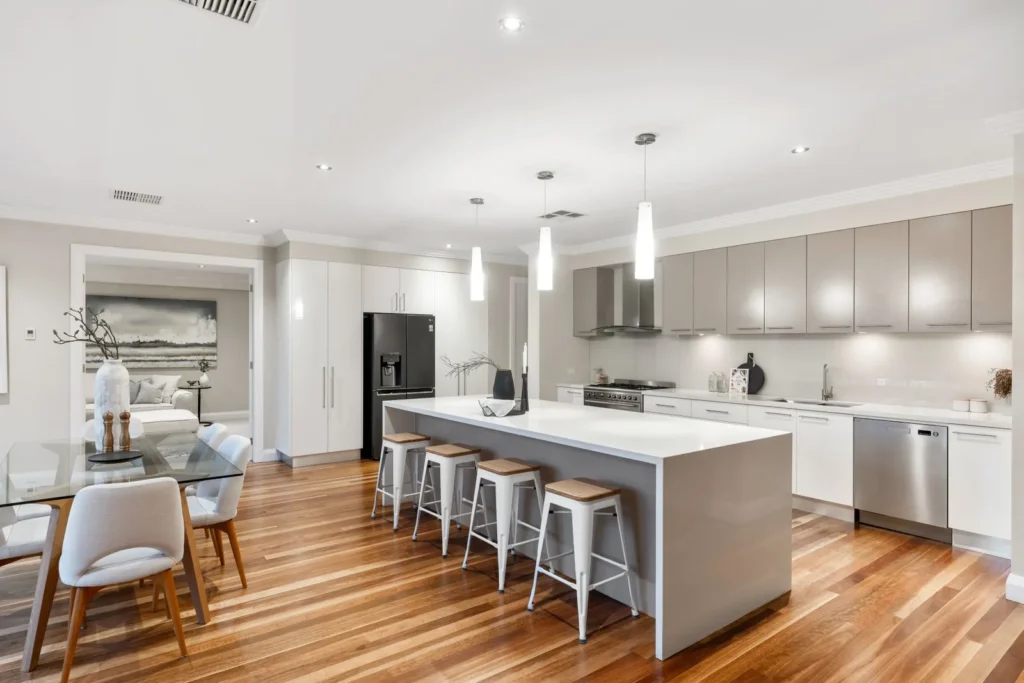
- Hire a skilled carpenter or cabinetmaker to fabricate and install your custom cabinets. Ensure they have experience working with custom cabinetry and can bring your design vision to life.
- Final Touches:
- Once the customization is complete, step back and assess the overall look and functionality of your cabinets.
- Make any final adjustments or additions to ensure everything meets your expectations and functions properly.
- Enjoy your newly customized kitchen space and the personalized touch it brings to your home.
By following these steps, you can successfully customize your cabinets, creating a tailored kitchen that reflects your unique style and meets your specific needs for organization and functionality.