Creating an eco-friendly bathroom is not only beneficial for the environment but also promotes sustainability and reduces your carbon footprint. Here are some tips for designing and remodeling an eco-friendly bathroom:
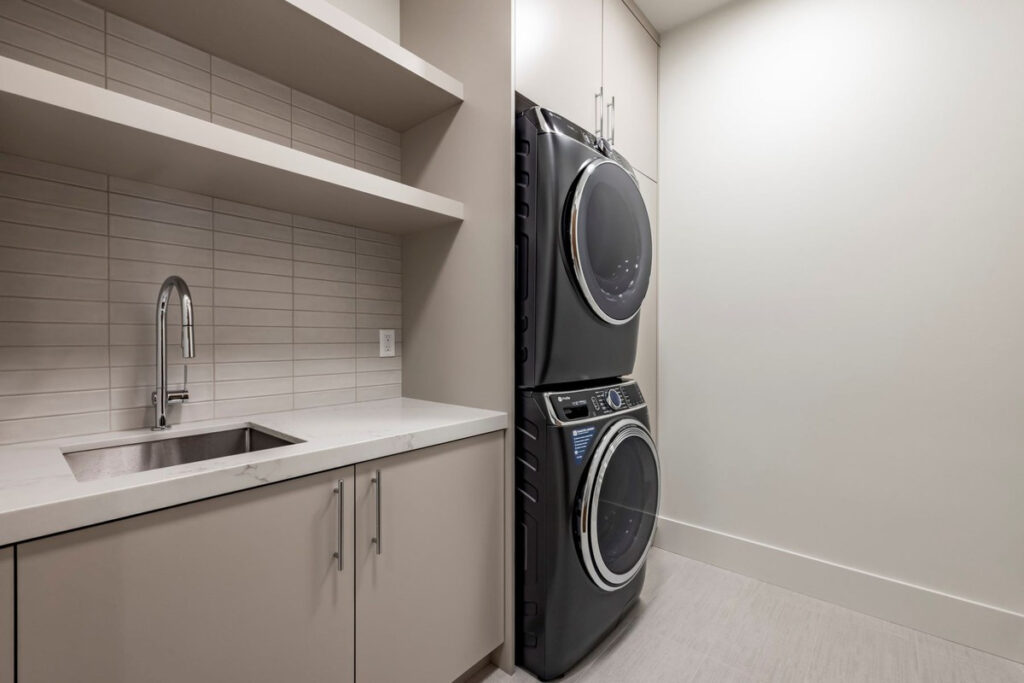
- Water-Efficient Fixtures: Install water-saving fixtures such as low-flow toilets, faucets, and showerheads to minimize water consumption. Look for products with the WaterSense label, which indicates that they meet EPA criteria for water efficiency.
- Dual Flush Toilets: Consider installing a dual flush toilet that offers two flush options – one for liquid waste and another for solid waste. This helps conserve water by using only the necessary amount for each type of waste.
- Water-Saving Showerheads: Opt for low-flow or aerated showerheads that maintain water pressure while reducing water usage. These fixtures can significantly decrease water consumption without sacrificing shower performance.
- Natural and Recycled Materials: Choose sustainable materials for bathroom finishes and furnishings, such as bamboo flooring, reclaimed wood vanities, or recycled glass tiles. These materials are eco-friendly alternatives to traditional options and promote responsible resource usage.
- Non-Toxic and Low-VOC Products: Use non-toxic and low-VOC (volatile organic compound) paints, adhesives, sealants, and finishes to minimize indoor air pollution and promote better indoor air quality. Look for products labeled as environmentally friendly or GreenGuard certified.
- Energy-Efficient Lighting: Install energy-efficient LED or CFL (compact fluorescent lamp) lighting fixtures in your bathroom to reduce electricity consumption. These bulbs last longer and use less energy than traditional incandescent bulbs, helping you save money on energy bills.
- Natural Lighting: Maximize natural light in your bathroom by incorporating windows, skylights, or light tubes. Natural light not only reduces the need for artificial lighting but also enhances the overall ambiance of the space and promotes well-being.
- Proper Ventilation: Ensure adequate ventilation in your bathroom to prevent moisture buildup, mold growth, and indoor air pollutants. Install an energy-efficient exhaust fan to remove excess humidity and improve air circulation without wasting energy.
- Waterproofing and Leak Prevention: Invest in proper waterproofing materials and techniques during the remodeling process to prevent water damage and leaks. This helps prolong the lifespan of your bathroom fixtures and reduces the need for repairs or replacements in the future.
- Water Recycling Systems: Consider implementing water recycling systems such as graywater systems or rainwater harvesting systems to reuse water for non-potable purposes like flushing toilets or watering plants. These systems help conserve water and reduce strain on municipal water supplies.
By incorporating these eco-friendly practices and features into your bathroom remodel, you can create a sustainable and environmentally responsible space that benefits both your home and the planet.
