Cabinets can be constructed from various materials, each offering unique characteristics in terms of appearance, durability, and cost. Here are some common cabinet materials to consider:
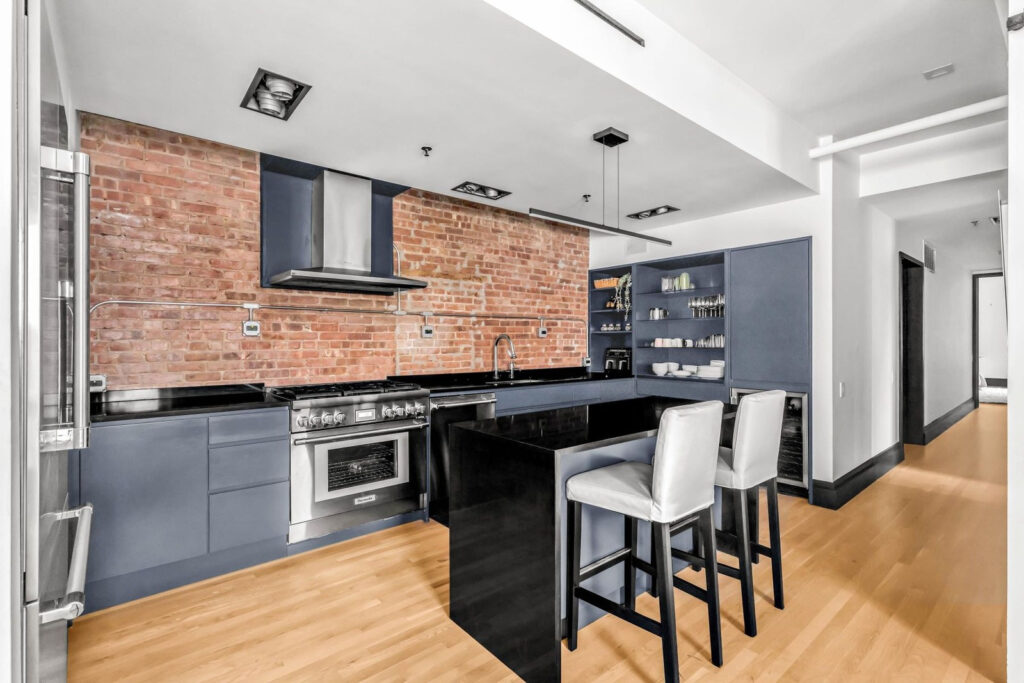
- Solid Wood:
- Solid wood is a classic and popular choice for cabinets, valued for its natural beauty, warmth, and longevity.
- Hardwoods such as oak, maple, cherry, and birch are commonly used for solid wood cabinets.
- Solid wood cabinets can be stained or painted to achieve different finishes and styles, making them versatile for various design aesthetics.
- While solid wood cabinets are durable and can be refinished if damaged, they tend to be more expensive than other materials.
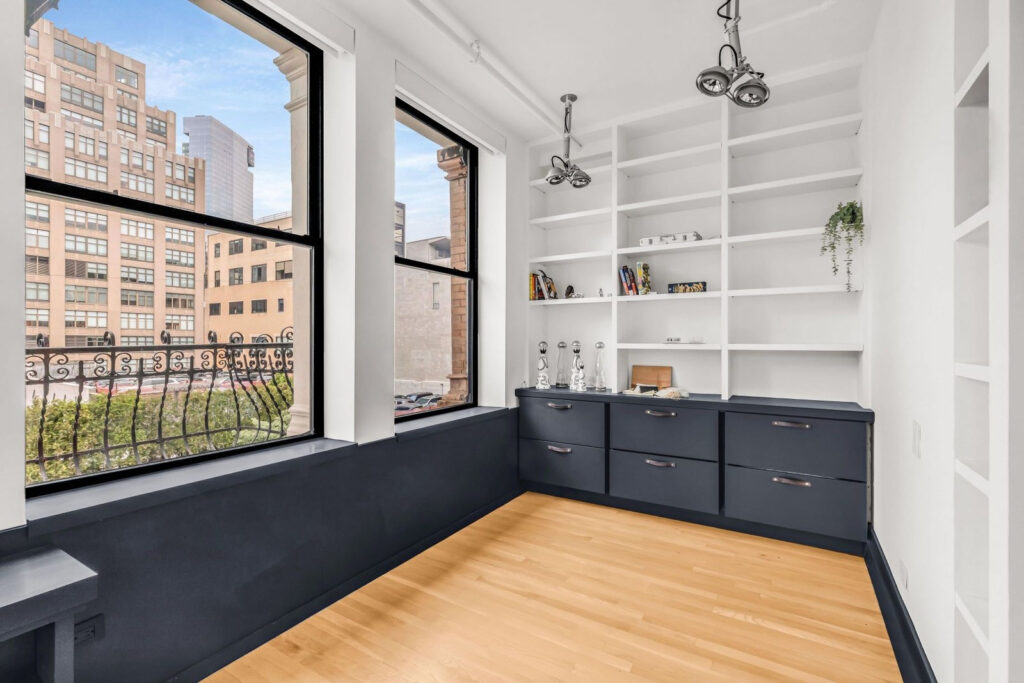
- Plywood:
- Plywood is made from multiple layers of wood veneer bonded together with adhesive, resulting in a strong and stable material.
- Plywood cabinets are known for their durability, resistance to warping and moisture, and uniformity in grain and appearance.
- They are often used for cabinet boxes and shelves, with solid wood or veneer applied to the exterior for aesthetic purposes.
- Plywood cabinets are typically more affordable than solid wood cabinets while offering similar durability and quality.
- Medium-Density Fiberboard (MDF):
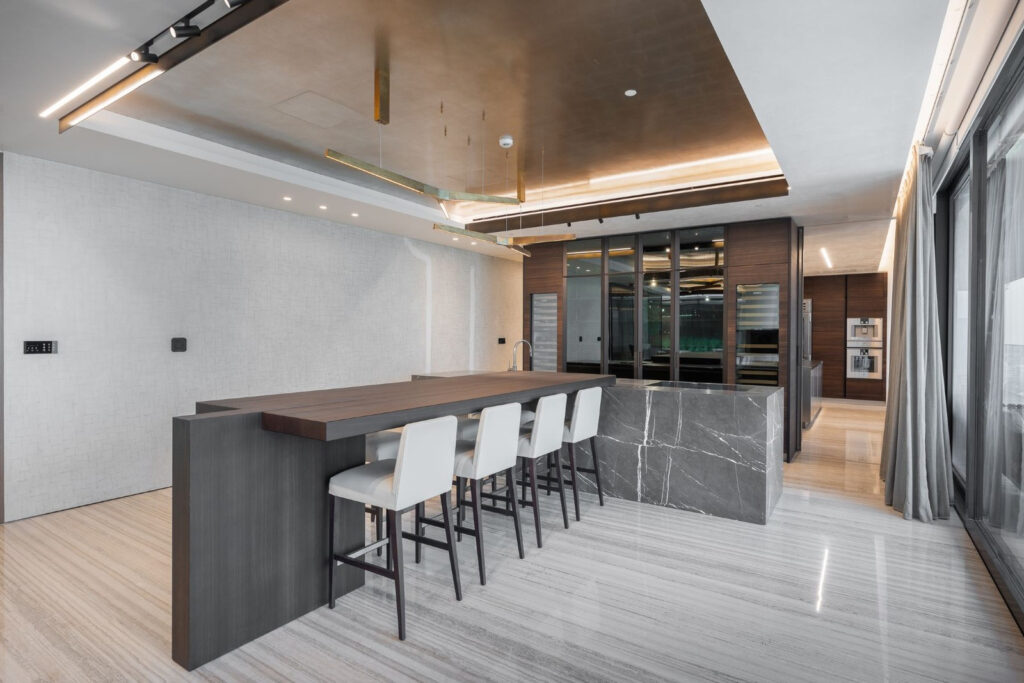
- MDF is an engineered wood product made from wood fibers and resin, compressed under high pressure to form a dense and smooth panel.
- MDF cabinets are valued for their uniformity, smooth finish, and resistance to warping and cracking.
- They are often used for painted cabinet doors and panels, as they provide a smooth surface that holds paint well.
- MDF cabinets are generally more affordable than solid wood cabinets but may not offer the same level of durability and longevity.
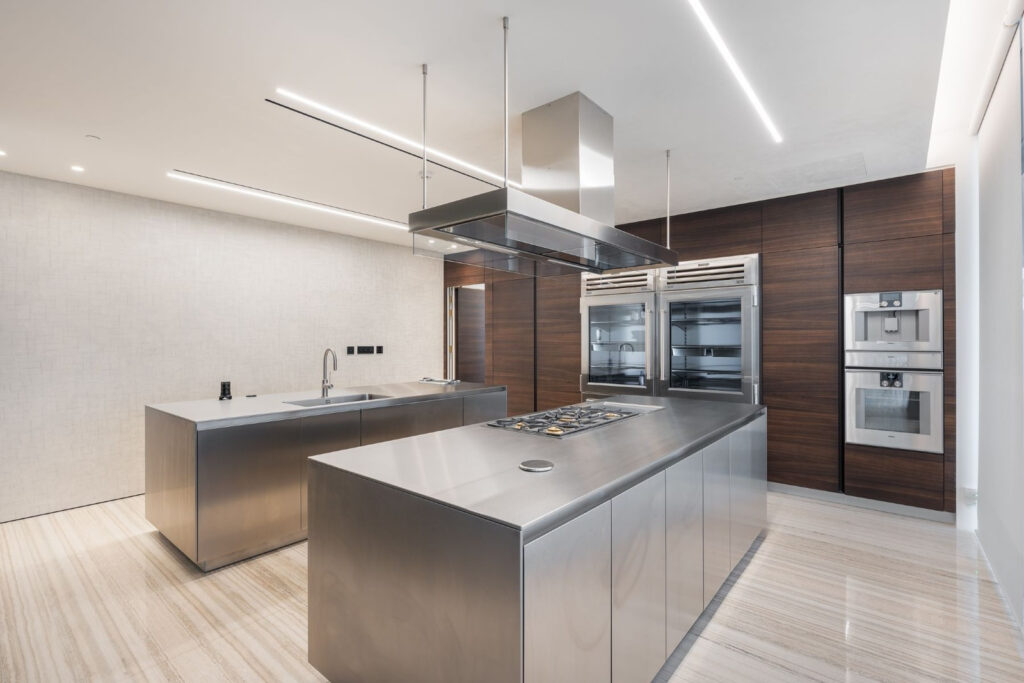
- Particleboard:
- Particleboard is made from wood particles bonded together with adhesive and compressed into panels.
- While particleboard is a cost-effective option for cabinet construction, it is less durable and susceptible to moisture damage compared to plywood or MDF.
- Particleboard cabinets are often used for budget-friendly options or in areas where moisture exposure is minimal, such as dry climates or interior cabinetry.
- Thermofoil:
- Thermofoil cabinets feature a layer of vinyl film bonded to a substrate, such as MDF or particleboard, using heat and pressure.
- Thermofoil cabinets offer a smooth and seamless appearance, with a wide range of colors and styles available.
- They are easy to clean and maintain, making them suitable for kitchens and bathrooms.
- Thermofoil cabinets are generally more affordable than solid wood or veneer cabinets but may be prone to peeling or delamination over time in high-heat environments.
- Laminate:
- Laminate cabinets consist of a thin layer of laminate (plastic) bonded to a substrate, such as plywood or particleboard.
- Laminate cabinets are highly durable, scratch-resistant, and easy to clean, making them ideal for high-traffic areas.
- They come in a variety of colors, patterns, and textures, including wood grain and solid colors, allowing for customization to suit different design preferences.
- Laminate cabinets are generally more affordable than solid wood or veneer cabinets and offer excellent value for money.
When choosing cabinet materials, consider factors such as budget, durability, maintenance requirements, and aesthetic preferences. Each material has its advantages and considerations, so weigh your options carefully to find the best fit for your needs and lifestyle. Additionally, consult with a professional cabinet maker or designer for expert advice and recommendations tailored to your specific project requirements.