Cabinetry refers to the built-in furniture pieces, typically found in kitchens, that provide storage for utensils, dishes, food, and other items. Here’s a guide to understanding and working with cabinetry:
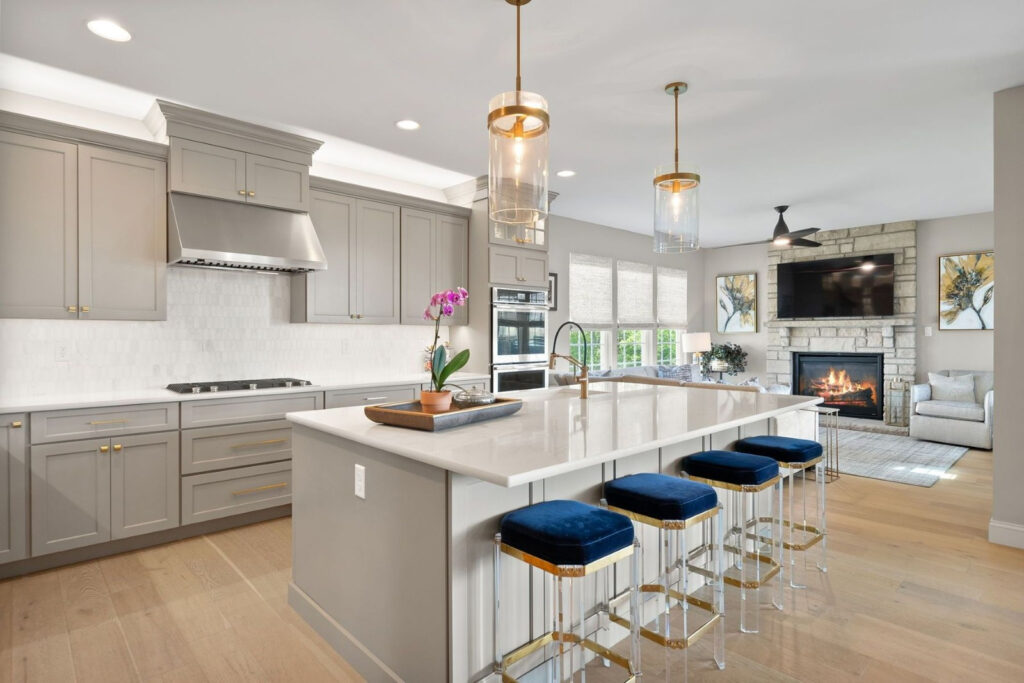
- Assessment:
- Evaluate the current condition of your cabinetry. Check for signs of wear and tear, damage, or outdated design elements.
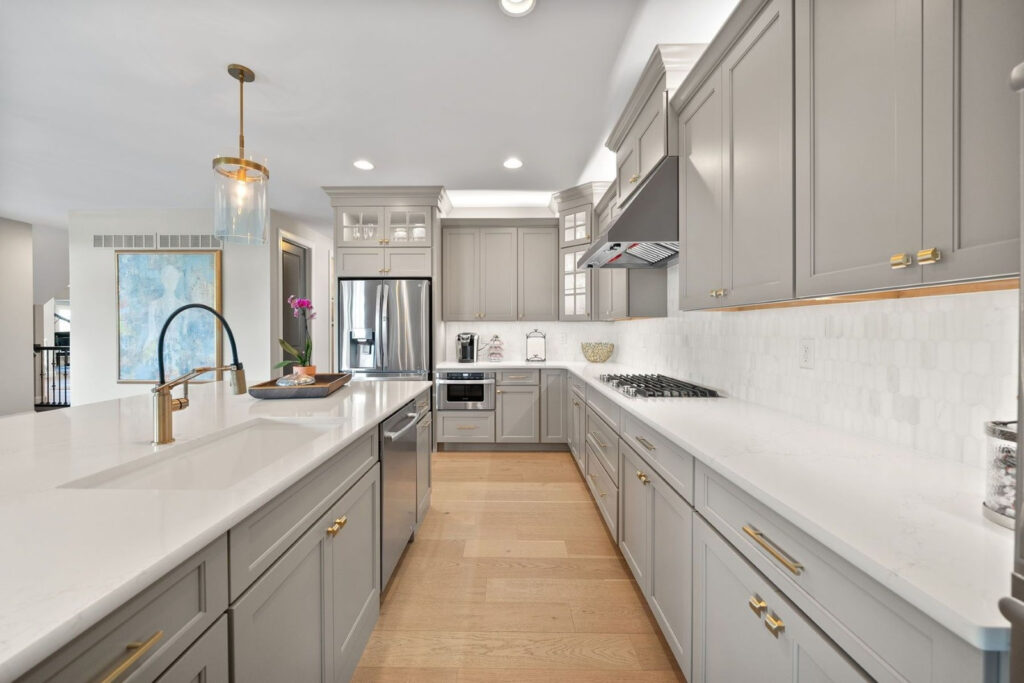
- Functionality:
- Consider how well your current cabinetry meets your storage needs and workflow in the kitchen. Assess if any adjustments or additions are needed to improve functionality.

- Style and Design:
- Determine the style and design aesthetic you want for your cabinetry. Consider factors such as the overall style of your home, your personal taste, and current trends.
- Explore different door styles, finishes, hardware options, and decorative elements to achieve the desired look.
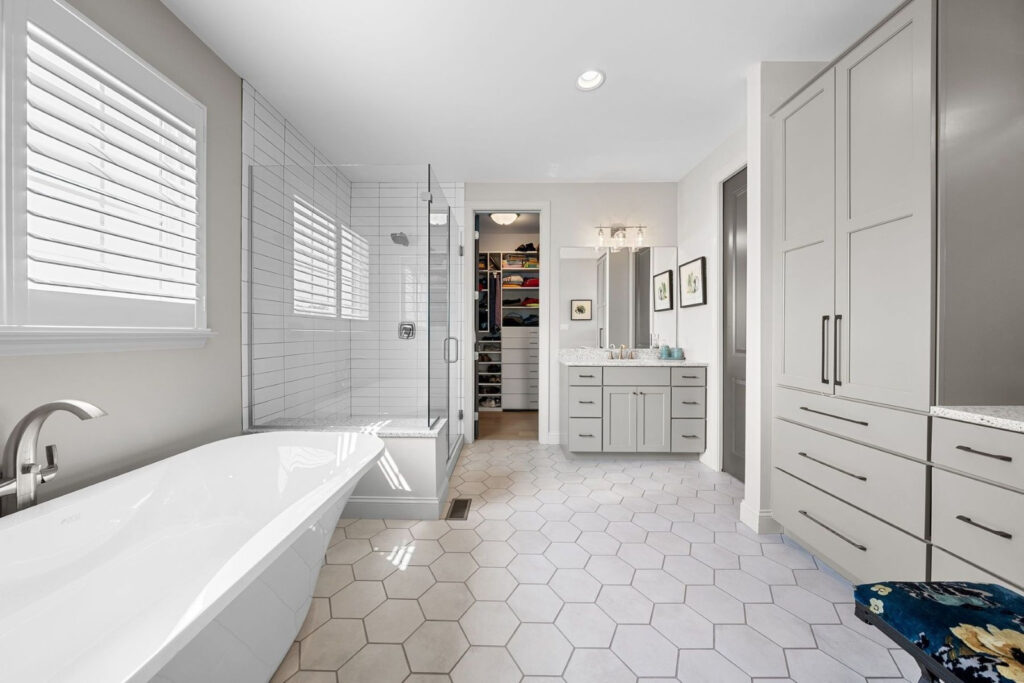
- Budget:
- Establish a budget for your cabinetry project. Consider the cost of materials, labor, and any additional features or upgrades you want to include.
- Space Planning:
- Measure the available space for your cabinetry and plan the layout accordingly. Consider factors such as traffic flow, work zones, and accessibility when arranging the cabinets.
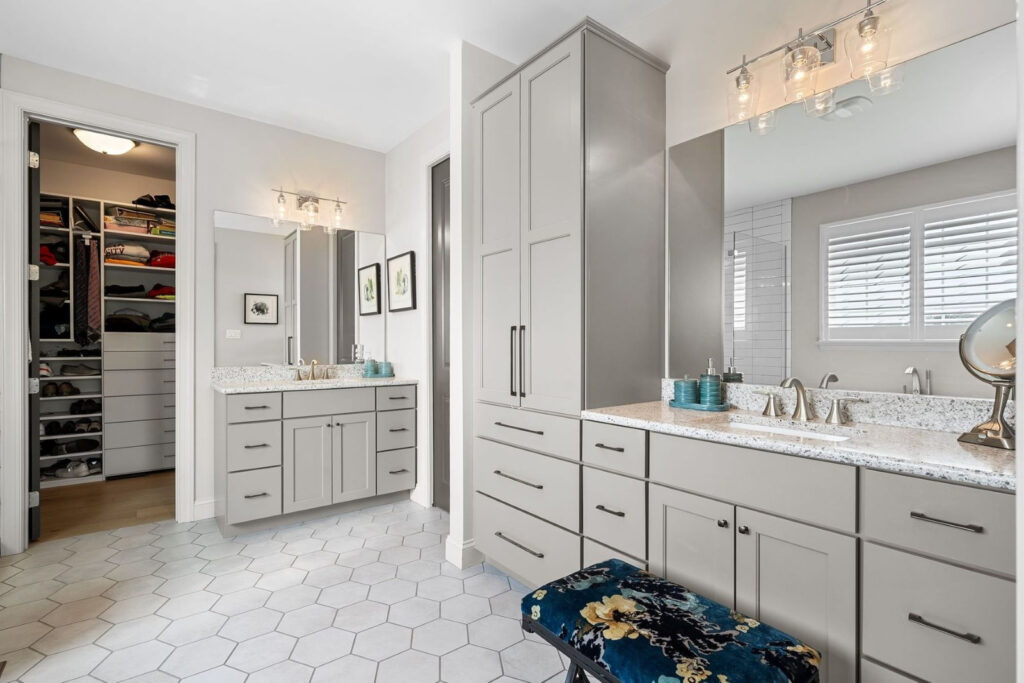
- Customization vs. Prefabricated:
- Decide whether you want custom-built cabinetry tailored to your specific requirements or prefabricated cabinets that offer more affordable options.
- Custom cabinetry allows for greater flexibility in design and size but tends to be more expensive. Prefabricated cabinets come in standard sizes and designs but are generally more budget-friendly.
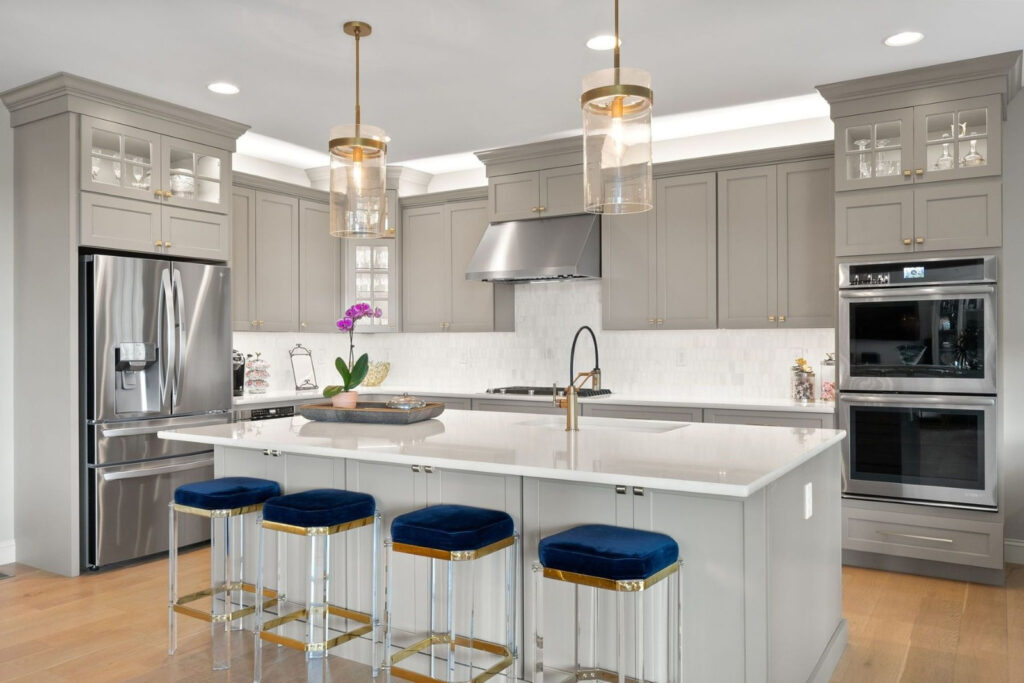
- Materials:
- Choose the right materials for your cabinetry based on your budget, style preferences, and durability requirements.
- Common materials for cabinetry include solid wood, plywood, medium-density fiberboard (MDF), particleboard, laminate, and thermofoil.
- Hardware and Accessories:
- Select hardware such as handles, knobs, hinges, and drawer slides that complement the style and finish of your cabinetry.
- Explore accessories such as pull-out shelves, lazy Susans, spice racks, and built-in organizers to maximize storage and organization.
- Installation:
- Hire a professional contractor or carpenter to install your cabinetry, especially if it involves custom-built or complex installations.
- Ensure that the cabinetry is installed correctly, level, and securely anchored to the wall or floor.
- Maintenance:
- Establish a regular maintenance routine to keep your cabinetry looking its best. Clean the surfaces regularly with a mild detergent and water solution, and avoid using abrasive cleaners or harsh chemicals.
- Check for any signs of damage or wear and address them promptly to prevent further deterioration.
- Enjoy Your Cabinetry:
- Take pleasure in the improved functionality, organization, and aesthetics that your new cabinetry brings to your kitchen or other areas of your home.